
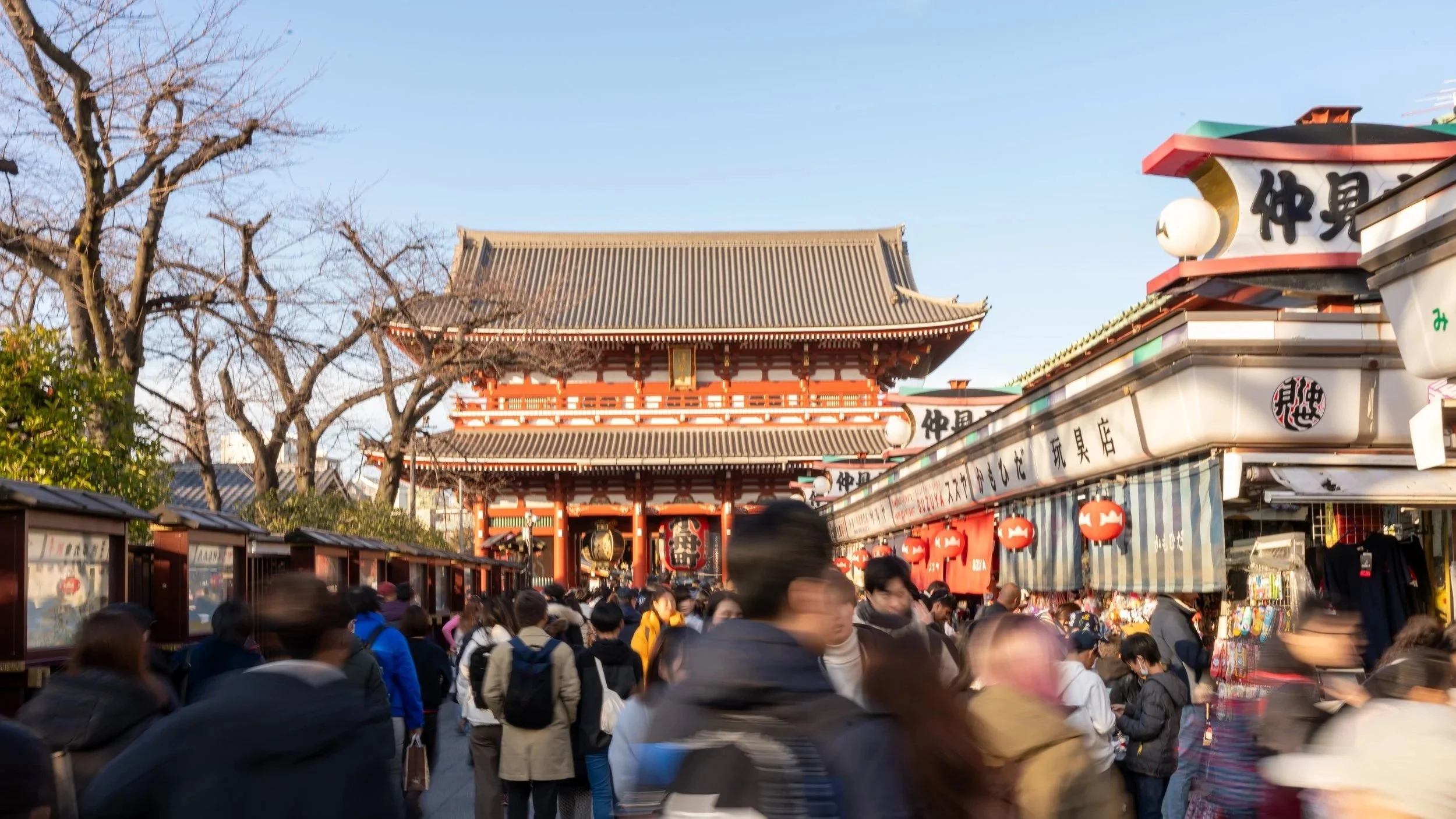
Tokyo is the political, economic, and cultural heart of modern Japan, yet its identity is rooted in centuries of history. Originally a small fishing village known as Edo, it became the seat of the Tokugawa shogunate in 1603, growing into one of the world’s largest cities while Japan remained largely isolated from foreign influence.
Following the Meiji Restoration in 1868, Edo was renamed Tokyo—meaning “Eastern Capital”—and became the imperial capital, symbolizing Japan’s transformation into a modern nation. Despite devastation from the 1923 Great Kantō Earthquake and the Second World War, Tokyo rebuilt itself into a global metropolis where cutting-edge technology, fashion, and architecture coexist with centuries-old temples, meticulously tended gardens, traditional neighbourhoods, and seasonal festivals.
More than Japan’s largest city, Tokyo embodies the country’s enduring ability to balance innovation with tradition, demonstrating how respect for history, craftsmanship, and community continues to shape one of the world’s most dynamic urban centres.
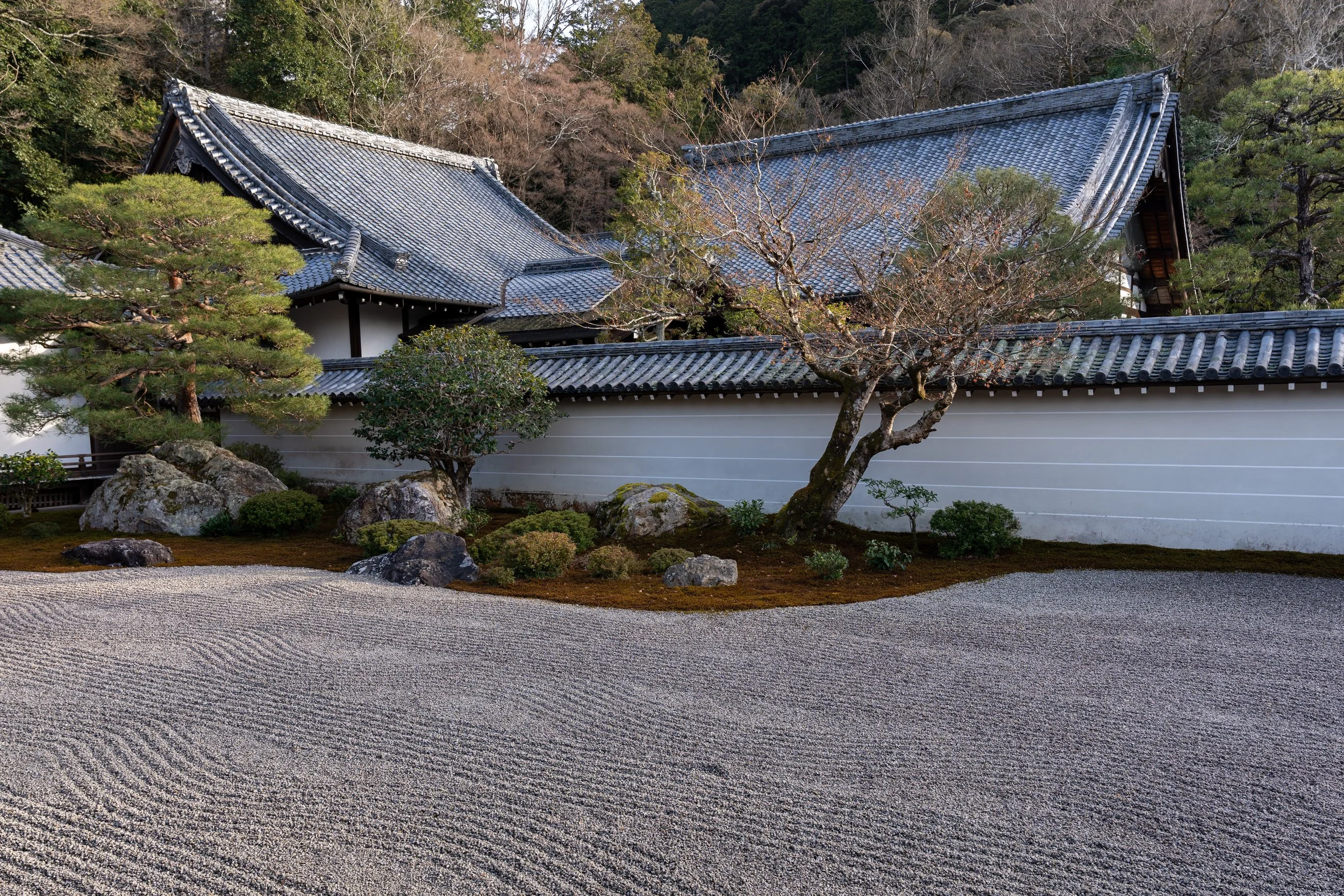
Japan is generally characterized by a strong emphasis on group harmony, social responsibility, humility, and attention to context. Relationships are often guided by an awareness of one’s role within a community rather than individual self-expression.
Harmony (Wa / 和)
Maintaining social harmony is often prioritized over expressing disagreement.
Conflict is usually managed indirectly and with consideration for others.
High-Context Communication
Much meaning is communicated through implication, tone, timing, and shared understanding rather than explicit words.
Silence is often comfortable and meaningful.
Uncertainty Avoidance
Rules, preparation, punctuality, and predictability help reduce uncertainty.
Social expectations are generally well understood and followed.
Collectivism
Identity is strongly connected to family, workplace, school, and community.
Decisions frequently consider the impact on the wider group.
Hierarchy and Respect
Age, experience, and social roles influence interactions.
Politeness and appropriate etiquette demonstrate respect rather than distance..
Long-Term Orientation
Planning, patience, craftsmanship, and continual improvement are highly valued.
Quality and sustainability often take precedence over speed..
Restraint and Humility
Emotional restraint and modesty are often viewed positively.
Public displays of strong emotion or self-promotion are typically limited.




Access Anytime, Anywhere
All digital content is available on your schedule—no deadlines, no pressure.



Upcoming
January 15
New York, NY
We break things down into simple, manageable parts so you never feel overwhelmed. As you progress, you’ll develop both skill and self-assurance, one step at a time.
February 15
New York, NY
Through thoughtful examples and guided exploration, you'll learn to approach obstacles with fresh eyes. This course is about unlocking flexibility, not following formulas.
March 15
New York, NY
Each lesson is designed to equip you with useful strategies you can immediately put into action. It’s about learning with purpose and seeing real results.