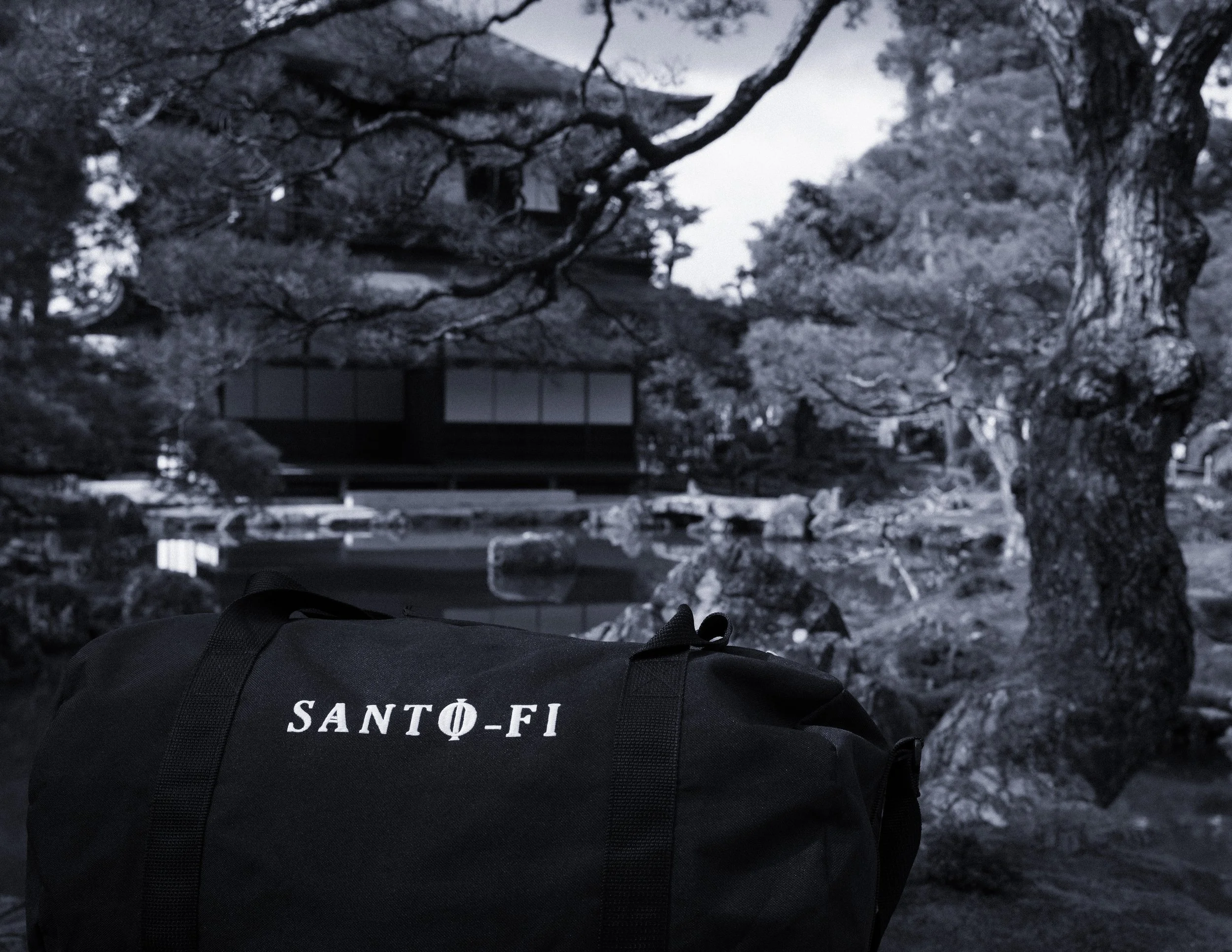
Imanari Jiu-Jitsu - Tokyo, Japan
Mastery isn’t just skill. It’s an unspoken connection—a precise harmony of humility, purpose, and presence. I learned this in a Tokyo basement, where a legend transformed an ordinary morning into something unforgettable.
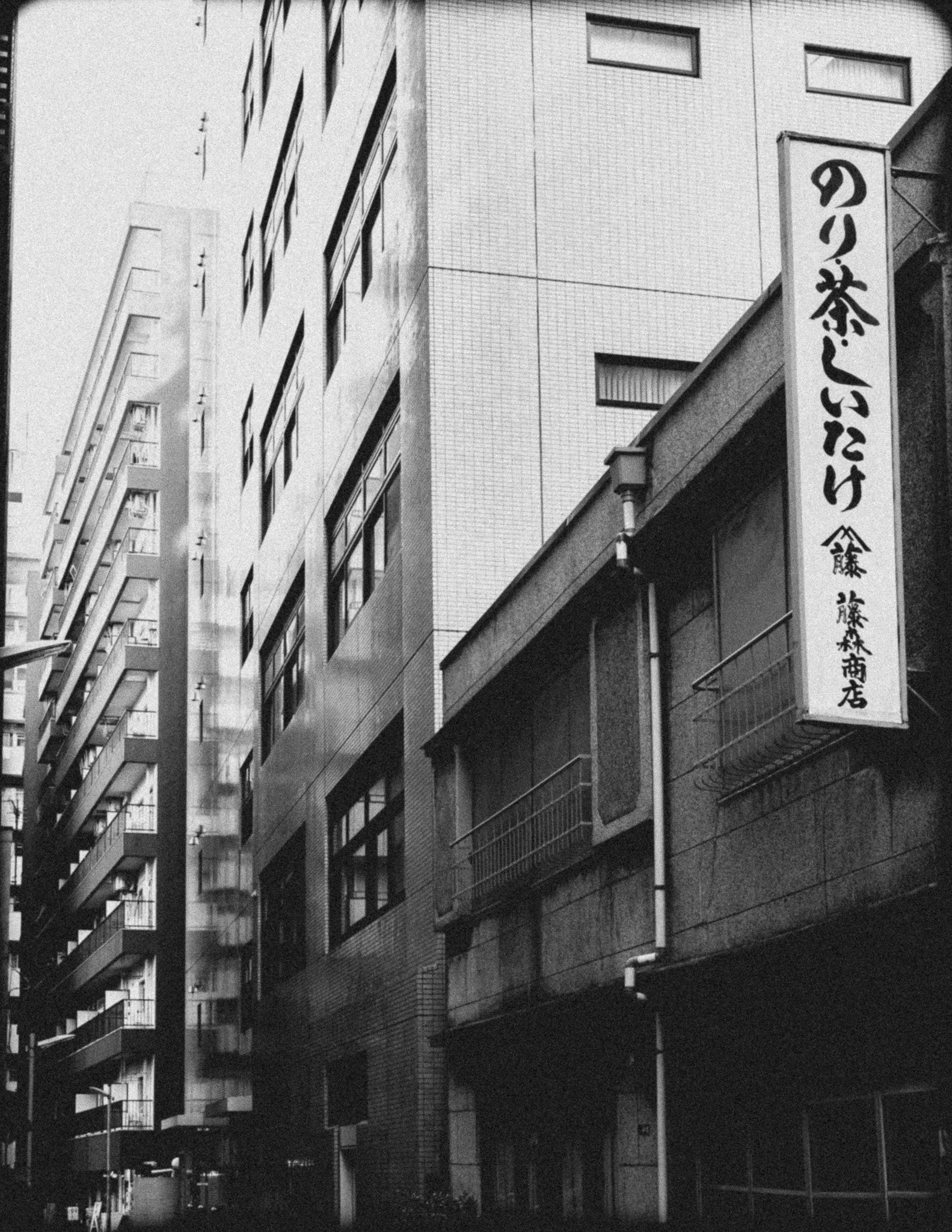
The streets of Tokyo are still asleep when you emerge from Akebonobashi Station. The winter air bites, sharp and clean, and the only sound comes from a vending machine humming softly on the corner. A small sign beside it reads: Imanari’s Jiu Jitsu. The arrow points downward, leading to a staircase that vanishes into the earth.

Descending into the dojo, the scent of clean mats and detergent greets you. The space is stark, fluorescent lights bouncing off pristine gray mats. Two men sit near the entrance, speaking quietly in Japanese. One of them, unmistakably, is Masakazu Imanari. His wiry frame and sharp gaze radiate an effortless presence.
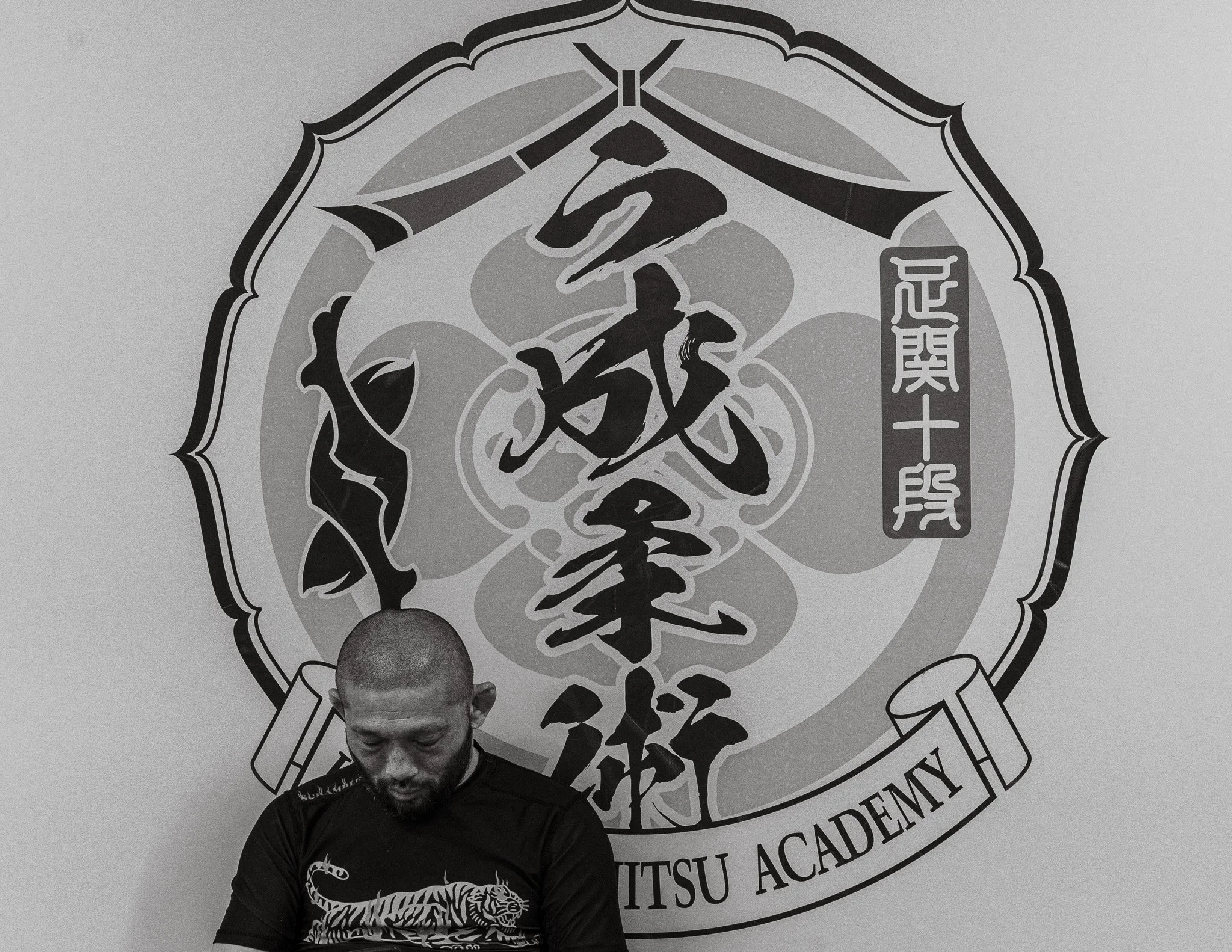
When he notices you, he smiles, his expression warm, almost playful. “Training?” he asks. His voice carries no pretense, just genuine curiosity. After introductions, he surprises you by switching briefly to Spanish, eager to connect on your terms. Even here, in a basement far from home, Imanari’s kindness cuts through the cold.

Shoes off, you step onto the mats. The faint rhythm of James Brown’s Black Caesar album plays in the background—a smooth, unexpected counterpoint to the room’s quiet energy. One by one, students arrive. Some are locals; others, like you, are travelers drawn by the reputation of the Ashikan Judan—the “Master of Leglocks.”
Class begins with warm-ups, led by Imanari himself. His movements are deliberate, precise, and strangely calm, as if every motion carries a deeper purpose. Today’s lesson: single-leg X into heel hook variations, a technique that has become synonymous with his name. His instruction is mostly in Japanese, but words are unnecessary. His mastery transcends language, his body demonstrating what words never could.
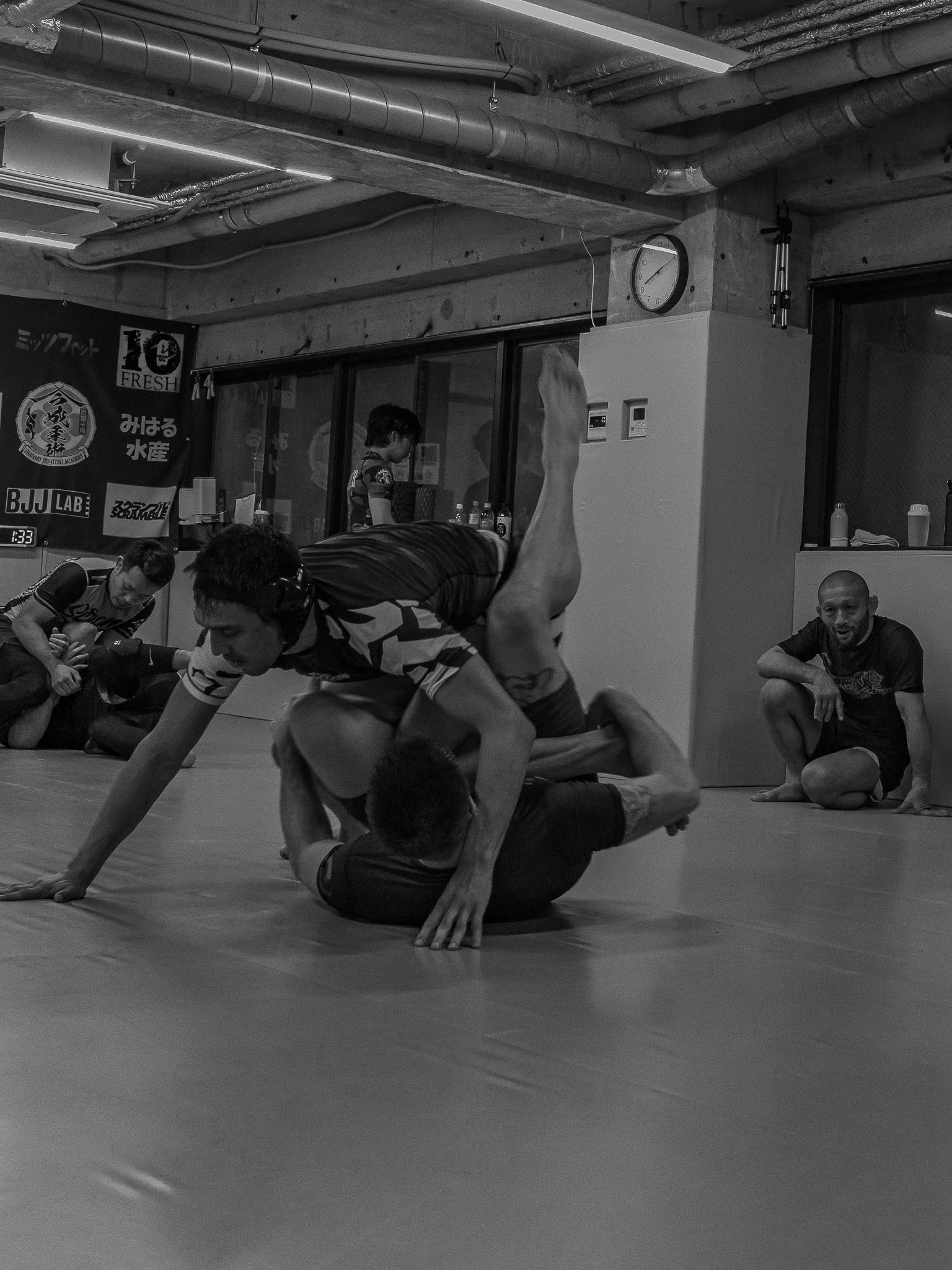
You fumble at first, your attempts clumsy compared to the fluidity of his movements. He notices. Without hesitation, he’s beside you, guiding your hands and shifting your weight until it clicks. His touch is precise, his manner encouraging but unflinching. When you get it right, he nods—not with fanfare, but with quiet acknowledgment. Progress, no matter how small, deserves recognition.


Sparring begins. It’s a test of adaptability, and Imanari leads by example. He rolls with everyone, from white belts to seasoned black belts. When it’s your turn, he matches your energy—firm yet technical, pushing just enough to challenge you without overwhelming. His approach is fluid, a mirror reflecting your effort and intent. You feel the gap in skill, vast yet inspiring, like staring at the ocean from the shore.
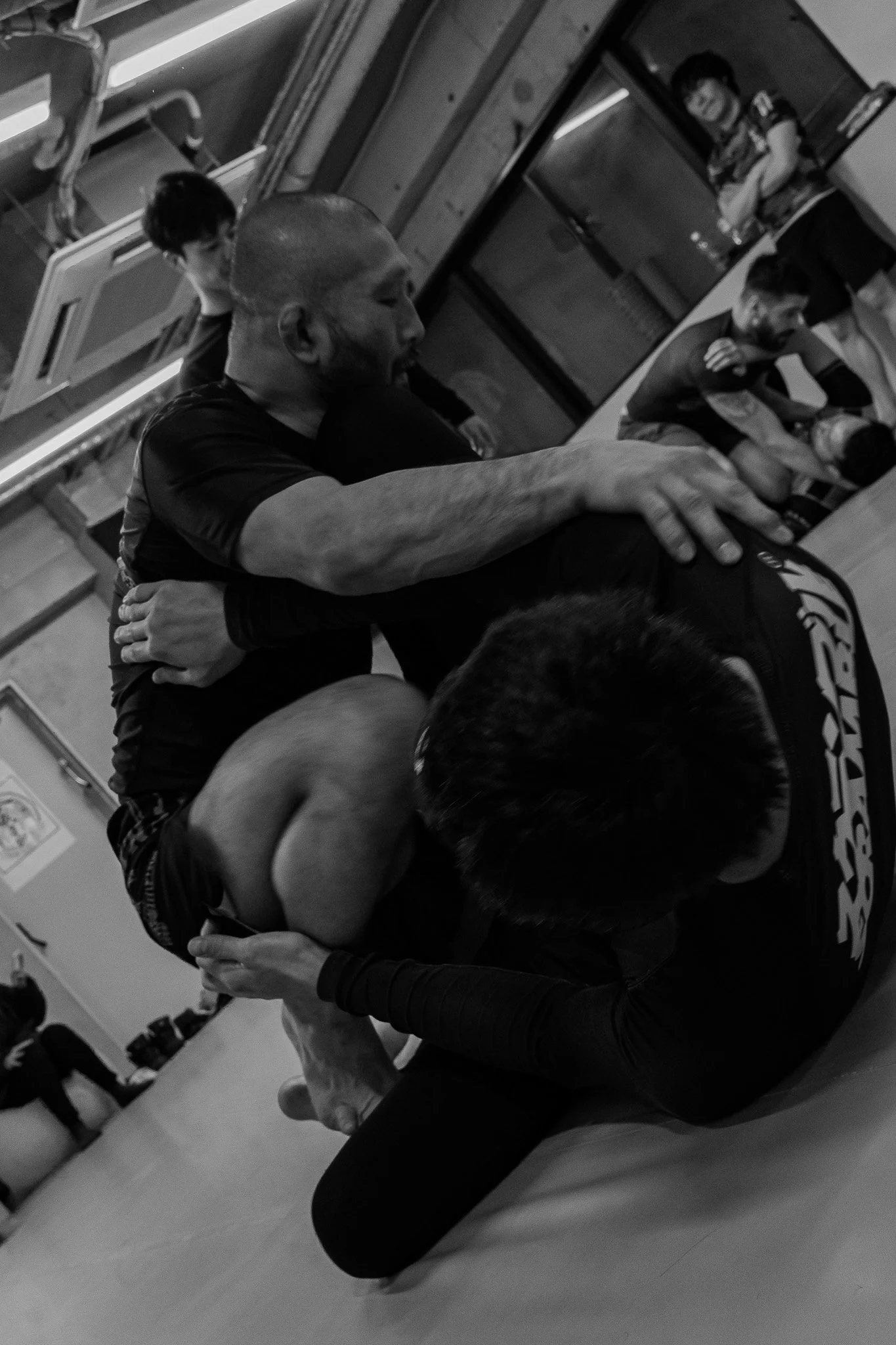
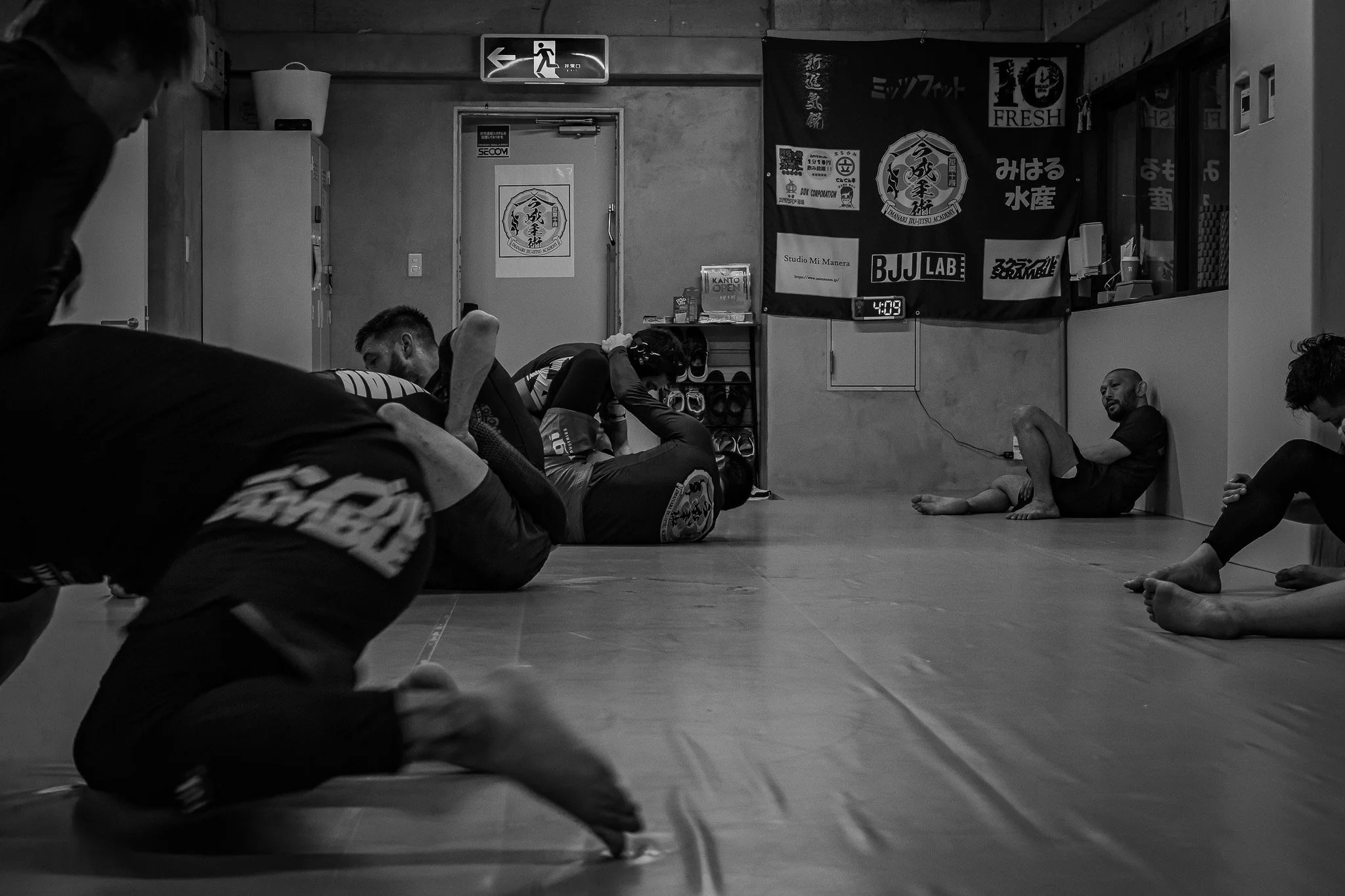
As the session winds down, the dojo pulses with life. James Brown’s The Payback provides a steady beat as students linger—some sparring, others exchanging tips or packing their gear. Imanari stays, a constant presence, his focus unwavering. He rolls with those who ask, answers questions, and shares quiet moments with his students.
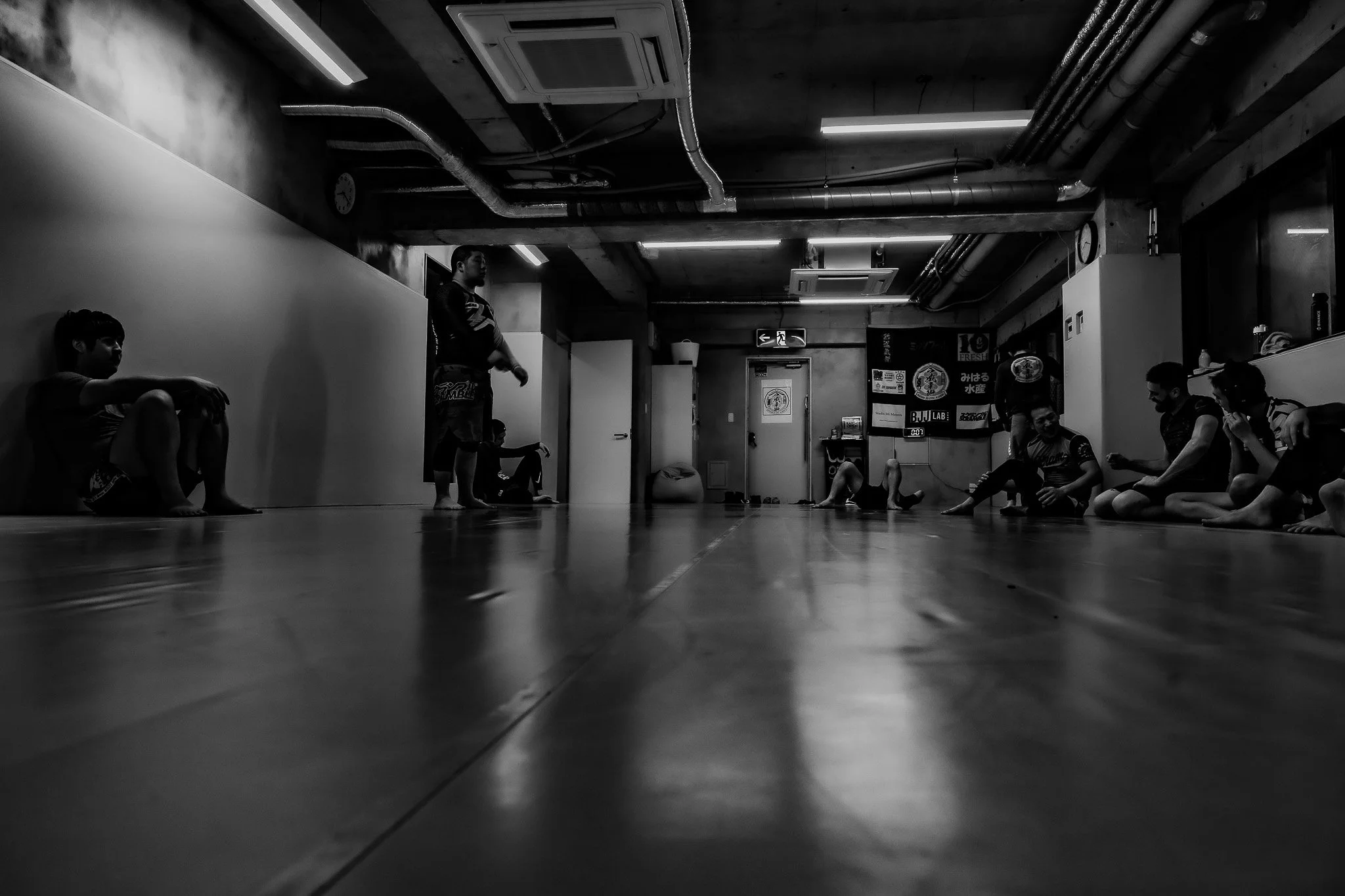
When it’s your turn to approach, you ask him, with the help of Google Translate, about the connection between jiu jitsu and the Japanese aesthetic of wabi-sabi. His reply is simple but profound: “Even after a tough practice and a lot of pain, we can still say things like, ‘Thank you.’” His words echo long after the mats empty, a reminder of the beauty in imperfection and perseverance.

Emerging into the now-bright Tokyo morning, you carry more than the ache of exertion. You carry the weight of an experience that transcends technique—a glimpse into what mastery truly means. It isn’t about perfection; it’s about humility, connection, and the quiet joy of learning.
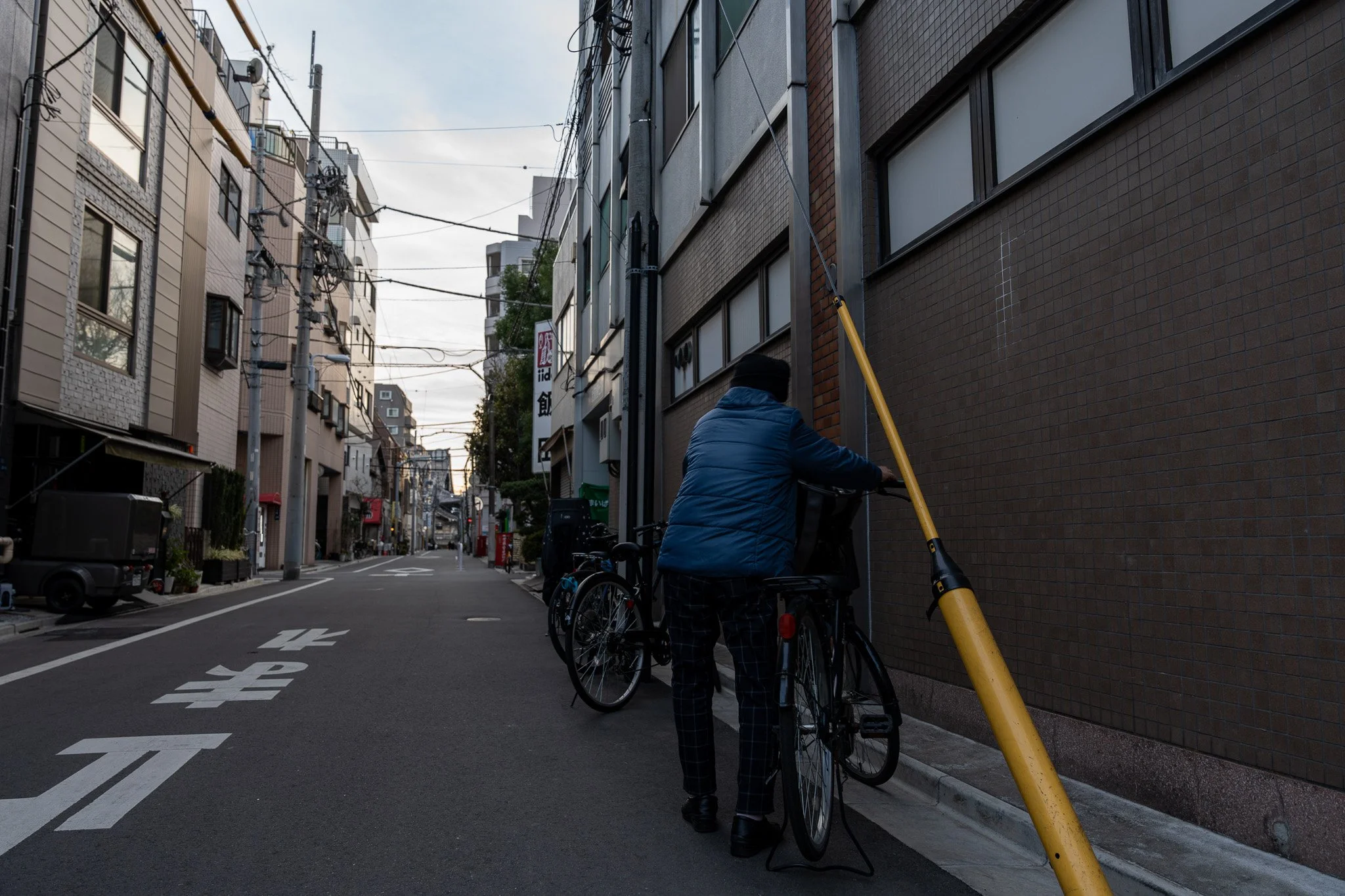
In a cold basement dojo, under the watchful eye of a legend, you found not just a teacher but a philosophy. And you leave knowing that mastery is not just an endpoint—it’s a way of being.
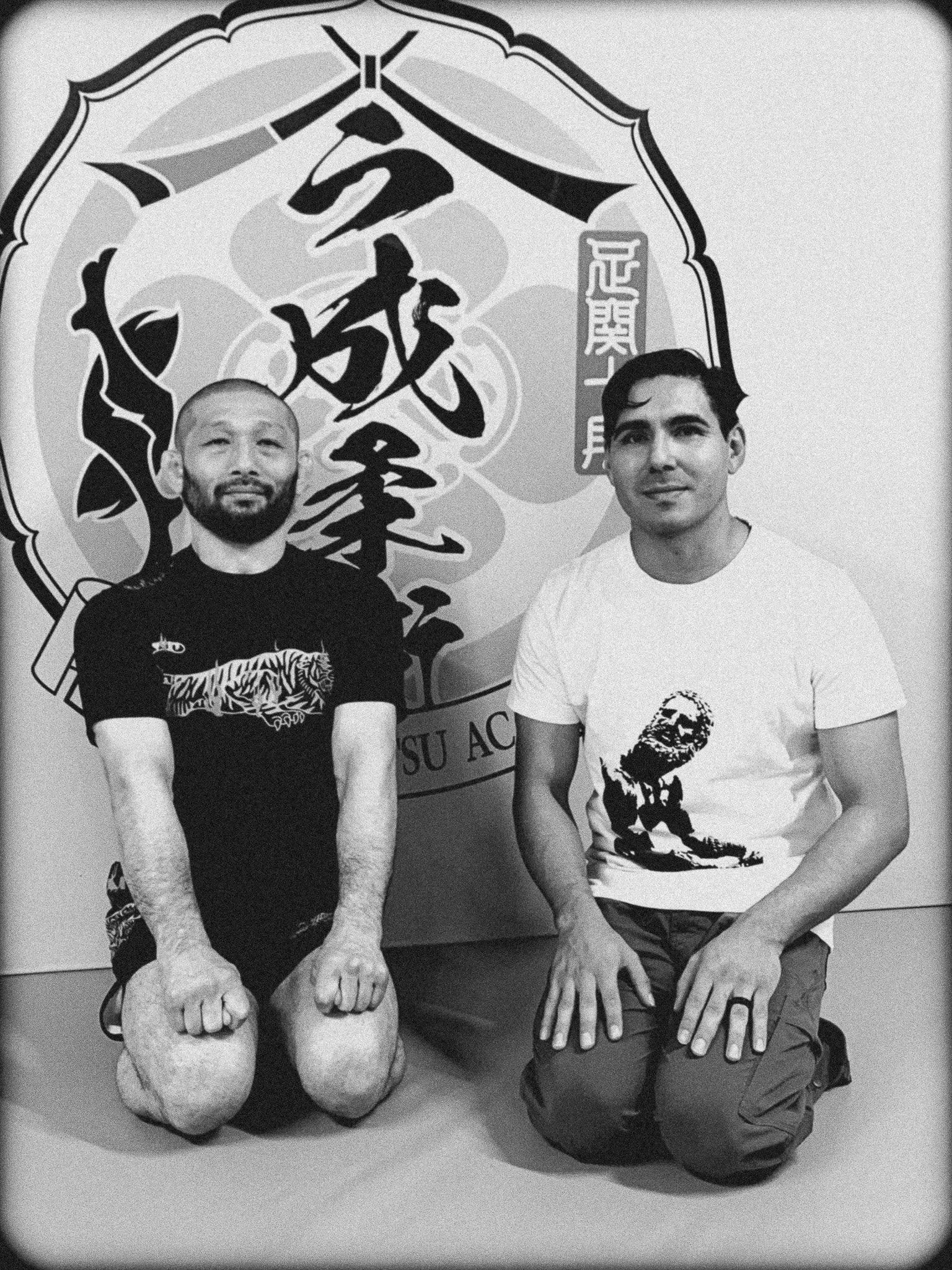
Visit Imanari Jiu-Jitsu while in Tokyo
Address: Japan, 〒160-0006 Tokyo, Shinjuku City, Funamachi, 8−4 YKB舟町 B1
Learn more by exploring our collections, gatherings, and journals.